
match day
Carb Loading Meal Plan: The Athlete's Guide to Pre-Event Fueling
Carb loading meal plans for endurance events and youth soccer tournaments. The 3-day adult protocol, the 1-day modified plan, full meal grids, and what NOT to do.
What is a carb loading meal plan?
Carb loading is a 1-3 day pre-event dietary protocol that maxes out muscle and liver glycogen stores by raising carbohydrate intake to 8-12 grams per kilogram of body weight per day. Burke et al.'s classic Journal of Sports Sciences review on carbohydrate for training and competition documents that this elevation produces a 2-3% performance gain in events lasting longer than 90 minutes[Burke-Carb].
For events under 90 minutes, a standard youth soccer game, a 5K, most strength sessions, carb loading is overkill. A standard pre-game meal is sufficient. See our soccer pre-game guide for that protocol.
Who actually benefits from carb loading
Carb loading is for athletes facing one of these:
- Marathon or half-marathon
- Triathlon (Olympic distance or longer)
- Long bike race (60+ miles)
- Tournament weekend (2-4 matches over 1-2 days)
- Football, lacrosse, or soccer match exceeding 90 minutes
- Long hike or backpacking trip with sustained exertion
Athletes doing strength training, weekend pickup soccer, gym workouts, or any single event under an hour do not benefit. Standard daily nutrition is the right approach.
How many grams of carbs per day during loading
Per ACSM and ISSN guidance, the daily target during a carb load is 8-12 g carbohydrate per kg of body weight, with the upper end on the final 1-2 days before the event[ACSM-2016][ISSN-Timing]. The math by body weight:
| Body weight | Daily carbs (8-12 g/kg) | Day-2 example |
|---|---|---|
| 120 lb (54 kg) | 432-648 g | Oatmeal + pasta + rice bowl + bagel snacks |
| 150 lb (68 kg) | 544-816 g | Larger portions of each + more snacks |
| 180 lb (82 kg) | 656-984 g | Full carb-bomb meals + 4 carb snacks |
| 220 lb (100 kg) | 800-1,200 g | 5+ carb meals/snacks, sports drinks between |
The 3-day carb loading meal plan
The 3-day protocol is the standard for marathons, half-marathons, and triathlons. The template for a 150 lb (68 kg) athlete targeting 9 g/kg = 612 g daily:
| Meal | Foods | Carbs (g) |
|---|---|---|
| Breakfast | 2 cups oatmeal + banana + honey + glass of OJ | ~140 g |
| Snack | Bagel with jam + sports drink | ~80 g |
| Lunch | 2 cups white rice + 4 oz grilled chicken + banana | ~130 g |
| Snack | Pretzels + applesauce + sports drink | ~85 g |
| Dinner | 3 cups pasta + marinara + small piece of lean protein | ~150 g |
| Snack | Rice cakes with honey + small smoothie | ~35 g |
Repeat the same pattern for 3 days. Scale every portion by your specific body weight using the table above.
The 1-day modified carb loading plan
For events at the 60-90 minute mark, a longer soccer match, a 10K, a tournament-day schedule, a single high-carb day the day before is often sufficient. The protocol: target 8-10 g/kg the day before, then a normal pre-event meal 3-4 hours before kickoff. Lower fiber, lower fat, familiar foods.
This is the right approach for most youth soccer tournaments. A full 3-day protocol with 600+ daily grams of carbs is excessive for a kid playing in a U12 weekend.
Best foods to eat during carb loading
- White rice (lower fiber than brown for loading)
- Plain pasta with simple sauces
- White bread, bagels, English muffins
- Oatmeal (rolled, not steel-cut)
- Bananas, applesauce, ripe fruit
- Pretzels, rice cakes, low-fiber crackers
- Sports drinks (during loading days, not just race day)
- Honey, jam, maple syrup as carb add-ons
- Potatoes (skin off for lower fiber)
- Low-fat lean protein in modest amounts
Foods to avoid when carb loading
- High-fiber foods. Lentils, beans, raw cruciferous vegetables, whole-grain bread with seeds, popcorn, fiber bulks the gut and risks event-day GI distress.
- Fried foods. Slow digestion, sit heavy.
- Anything new. The day before a marathon is not the day to try octopus. Stick to foods you eat regularly.
- Heavy fats. Limit to small amounts. Olive oil and nut butters in moderation are fine; pizza, cheese-heavy meals, and fried protein are not.
- Alcohol. Impairs glycogen synthesis directly and dehydrates.
- Excess artificial sweeteners. Sugar alcohols (sorbitol, xylitol) in large doses cause GI cramping.
Common carb loading mistakes
- Skipping the protein entirely. Carb loading does not mean zero-protein loading. Keep protein at 0.3-0.5 g/kg per meal so muscle stays repaired.
- Loading for events under 90 minutes.A 5K or a regular soccer game doesn't require carb loading. The extra glycogen is unused weight on race day.
- Loading on whole grains. Switch to white rice, white bread, plain pasta for loading days. Fiber is the enemy here.
- Trying it for the first time on race day. Run a practice load 2-3 weeks out. Adjust portions and timing based on how your gut handles it.
- Forgetting hydration.Glycogen binds water at ~3 g of water per gram of glycogen. Drink more during loading. NATA's fluid guidance applies every day, not just race day[NATA-Fluid].
Carb loading for youth athletes: when it does and doesn't apply
For most youth athletes, traditional 3-day carb loading is unnecessary and arguably inappropriate. AAP's guidance on healthy weight-control practices in young athletes cautions against extreme dietary manipulation in children[AAP-Promotion], and a 600-gram-of-carbs day for an 80-pound kid is well past normal eating.
What does work for kids: the tournament-weekend modified plan. The night before a tournament, increase the carb-to-protein ratio in the dinner (pasta with marinara is the classic). The morning of, eat a familiar breakfast 90 minutes before game 1. Between games, top off with sandwiches, fruit, and fluids. No need to push past normal portions.
See our pre-game meal for kids guide for the full tournament-day playbook.
Hydration during carb loading
Loading days increase fluid needs because every gram of glycogen stored pulls roughly 3 grams of water with it. Drink 0.5-1 oz per lb body weight per day during loading, plus an additional 8-16 oz with each carb-heavy meal. The FuelMyAthlete hydration tracker includes a match-day setting that scales the daily target appropriately.
Recipes that fit
All recipes
Pasta + turkey marinara + side salad
25 min · 4 servings
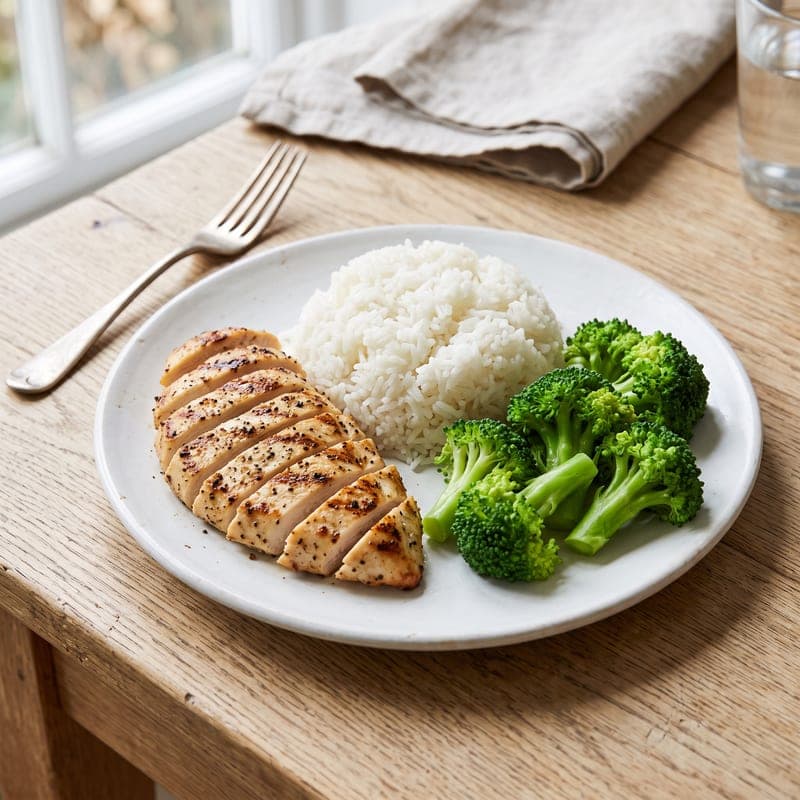
Grilled chicken + jasmine rice + broccoli
30 min · 4 servings
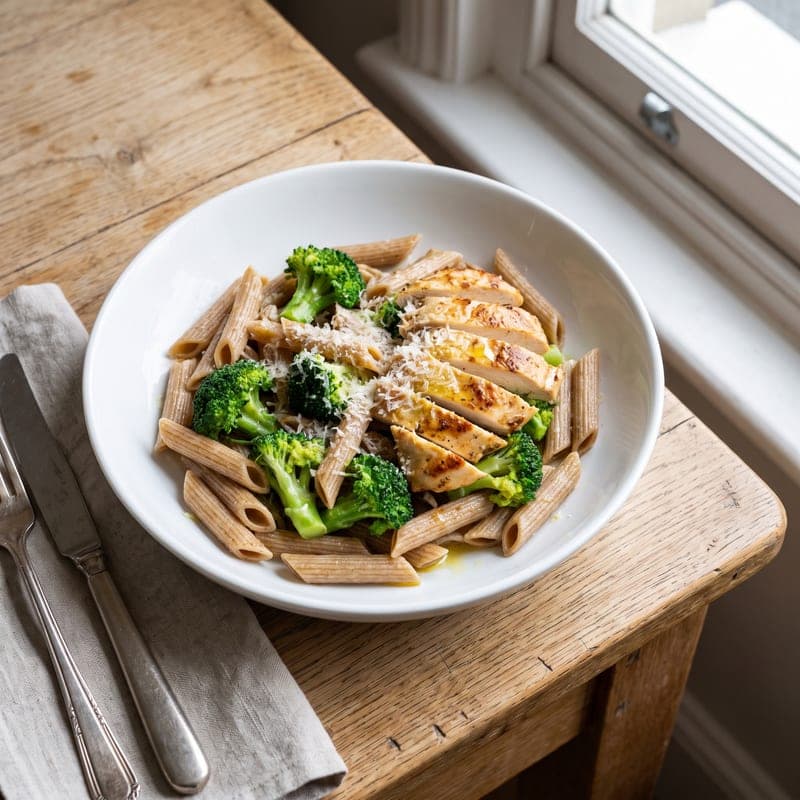
Pasta + grilled chicken + broccoli
20 min · 4 servings
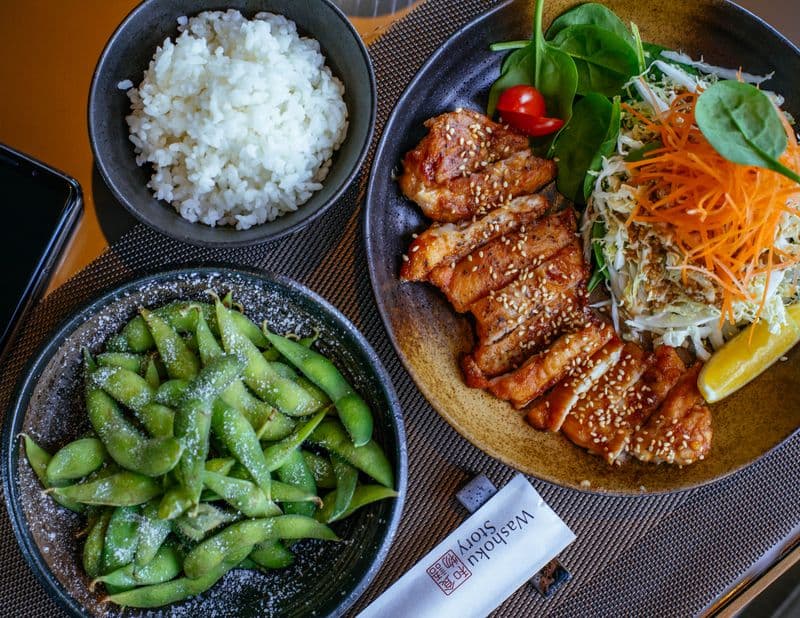
Hibachi Chicken (Sunday meal prep)
25 min · 8 servings
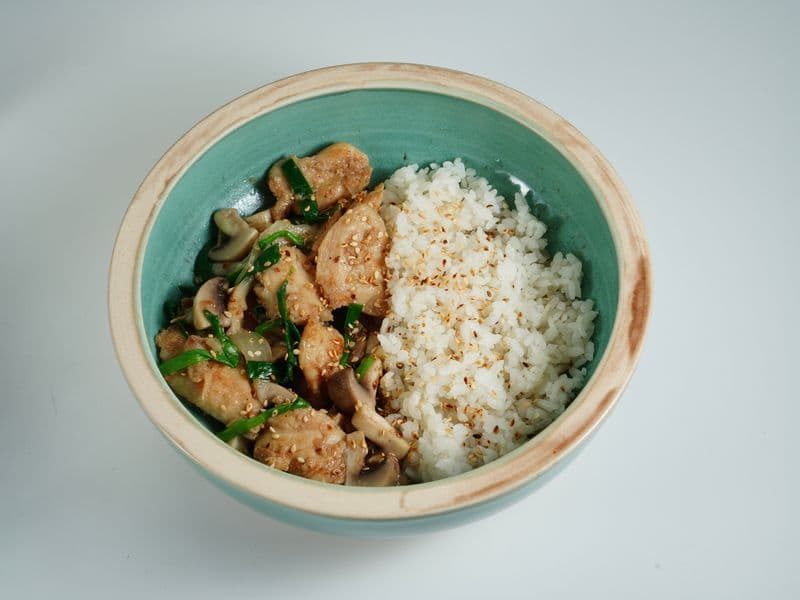
Stir-fry chicken + rice + edamame
20 min · 4 servings
Athlete overnight oats
5 min · 1 serving

English muffin + peanut butter + banana
4 min · 1 serving
Frequently asked questions
A 3-day plan with 8-12 g of carbs per kg of body weight per day. Focus on white rice, pasta, bread, bananas, oatmeal, and sports drinks. Cut high-fiber foods. Keep protein moderate (0.3-0.5 g/kg per meal) and fat low. Practice the plan 2-3 weeks before race day.
Keep reading
What to Eat Before a Soccer Game: A Match-Day Fueling Guide
Match-day fueling for soccer players. The night before, 3-4 hours before, 30-60 minutes before. Specific meals, portions by age, hydration, and what to avoid.
Read guide
Pre-Game Meal for Kids: The Complete Parent's Guide
What kids should eat before a soccer game, basketball game, or any youth sports match. Timing, portions by age, the 30-minute snack, hydration, and what to avoid.
Read guide
What Is a Good Pre-Workout Meal? Timing, Foods, and Portions by Body Weight
A good pre-workout meal pairs complex carbs and lean protein 1-3 hours before training. Here's the timing matrix, the food list, portions by body weight, and recipes.
Read guide
The Best Pre-Workout Meal: 10 Athlete-Tested Options Ranked
The best pre-workout meal pairs complex carbs with lean protein in a 3:1 ratio, 1-3 hours before training. Here are the 10 best options ranked, with portions by body weight.
Read guide
Sources
- [ACSM-2016]Thomas DT, Erdman KA, Burke LM. American College of Sports Medicine Joint Position Statement: Nutrition and Athletic Performance. Medicine & Science in Sports & Exercise, 2016.
- [ISSN-Timing]Kerksick CM, Arent S, Schoenfeld BJ, et al.. International Society of Sports Nutrition Position Stand: Nutrient Timing. Journal of the International Society of Sports Nutrition, 2017.
- [ISSN-Protein]Jäger R, Kerksick CM, Campbell BI, et al.. International Society of Sports Nutrition Position Stand: Protein and Exercise. Journal of the International Society of Sports Nutrition, 2017.
- [Burke-Carb]Burke LM, Hawley JA, Wong SHS, Jeukendrup AE. Carbohydrates for Training and Competition. Journal of Sports Sciences, 2011.
- [NATA-Fluid]McDermott BP, Anderson SA, Armstrong LE, et al.. National Athletic Trainers' Association Position Statement: Fluid Replacement for the Physically Active. Journal of Athletic Training, 2017.
- [AAP-Promotion]American Academy of Pediatrics, Council on Sports Medicine and Fitness. Promotion of Healthy Weight-Control Practices in Young Athletes. Pediatrics, 2017.
- [AAP-Bright-Futures]American Academy of Pediatrics. Bright Futures Nutrition (3rd ed.): Sports Nutrition. AAP, 2020.
FuelMyAthlete provides general guidance based on published sources from the American Academy of Pediatrics (AAP), National Athletic Trainers' Association (NATA), and American College of Sports Medicine (ACSM). This is not medical advice. For personalized sports nutrition plans, especially for children, consult a registered sports dietitian or pediatrician. See our editorial methodology.