pre workout
What Is a Good Pre-Workout Meal? Timing, Foods, and Portions by Body Weight
A good pre-workout meal pairs complex carbs and lean protein 1-3 hours before training. Here's the timing matrix, the food list, portions by body weight, and recipes.
What makes a pre-workout meal 'good'?
A good pre-workout meal does three jobs: it tops off liver and muscle glycogen, it primes amino acid availability for muscle protein synthesis during and after the workout, and it leaves the stomach in time so blood can flow to working muscle. The American College of Sports Medicine joint position stand spells out the macronutrient targets: 1-4 g of carbohydrate per kg body weight 1-4 hours before exercise, plus 0.3 g/kg of protein[ACSM-2016].
In practice, that translates to a moderate-sized meal heavy on complex carbohydrates (oats, rice, bread, pasta, fruit), a serving of lean protein (eggs, yogurt, chicken, tofu), and minimal fat or fiber close to training.
The three macros: what each does pre-workout
- Carbohydratestop off glycogen stores. Glycogen is the dominant fuel for moderate-to-high intensity work lasting 30-90 minutes. ISSN's nutrient timing position stand confirms carbohydrate is the most important pre-exercise macronutrient for performance[ISSN-Timing].
- Protein primes amino acid availability so muscle protein synthesis ramps up during recovery. ISSN protein position stand: 0.4-0.55 g/kg per meal for athletes[ISSN-Protein].
- Fat slows digestion, which is a feature 3+ hours out but a bug within 90 minutes. Keep fat low close to training.
Pre-workout meal timing: the 4 windows
| Time before | Meal size | Example |
|---|---|---|
| 3+ hours | Full meal | Rice + chicken + vegetables, or pasta + meat sauce |
| 1-2 hours | Medium | Oatmeal + yogurt + berries, or turkey sandwich |
| 30-60 min | Light snack | Banana + nut butter, toast + honey, applesauce |
| Under 30 min | Quick carb | Banana, dates, sports drink, gel |
Match the meal size to the time you have. A full meal 30 minutes out causes GI distress; a banana 3 hours out leaves you under-fueled by warm-up.
Best pre-workout foods (the short list)
The evidence-backed pre-workout food list:
- Oats (rolled or overnight), slow-release complex carbs + beta-glucan
- Bananas, fast carbs + potassium, perfect 30-60 min out
- White rice, clean energy source for 2-3 hour windows
- Whole-grain bread, versatile carb base (sandwiches, toast)
- Greek yogurt, high protein, easy to digest
- Eggs, complete protein, low fiber
- Chicken breast, lean protein for the 2+ hour meal
- Sweet potato, complex carbs + potassium
- Berries, antioxidants, light on the stomach
- Pasta, sustained-release carbs for endurance work
Pre-workout meals by workout type
- Strength / lifting: moderate carbs + higher protein 60-90 min out. Example: oatmeal + Greek yogurt + banana.
- Endurance / running, cycling, soccer: higher carbs, moderate protein 2-3 hours out. Example: rice bowl with chicken and vegetables.
- HIIT / short high-intensity: light carbs, low fiber 45-60 min out. Example: white toast with honey + banana.
- Yoga / mobility / low intensity: small carb snack 30-45 min out. Example: piece of fruit + a few nuts.
- Early morning lifting: overnight oats or a fast smoothie 45-60 min before. See our AM pre-workout meal guide.
Pre-workout meals by goal
- Performance: the standard ACSM-aligned plate: 60-70% carbs, 15-25% protein, 10-15% fat. Maximize glycogen.
- Muscle gain: add 5-10 g extra protein (third egg, larger yogurt serving, scoop of whey for adults).
- Fat loss:keep carbs in the lower half of the 1-4 g/kg range; do not drop them to zero, performance suffers and the workout produces less of the very stimulus you're training for.
- Recovery focus: pre-workout is less critical than post-workout for recovery, but tart cherries, berries, and turmeric in the pre-meal can lower inflammatory load.
Foods to avoid pre-workout
- Heavy / fried foods within 2 hours, sit in the stomach, divert blood from muscle
- Very high-fiber foods within 60 minutes, beans, broccoli, raw cruciferous vegetables, multiple high-fiber sources stacked
- Anything new on race or game day, try every meal at practice first
- Sugar bombs like donuts or sweet pastries, spike-and-crash
- Alcohol, impairs glycogen synthesis and rehydration
- Very spicy foodsif you're prone to reflux during exertion
Hydration with the meal
Per NATA's position statement on fluid replacement, athletes should drink 16-20 oz of water 2-3 hours before exercise and another 8-10 oz 10-20 minutes before warm-up[NATA-Fluid]. Pair the pre-workout meal with the first dose of water. Our hydration tracker calculates the exact daily target by body weight and day type.
Pre-workout for young athletes 8+
For young athletes the same macronutrient principles apply, but with three guardrails from AAP guidance:
- Smaller portions, more frequent fueling.Kids' smaller stomachs do better with snacks every 2-3 hours than two big meals.
- Whole-food protein only. Per AAP, supplements and powders are not appropriate for routine use in children[AAP-Promotion].
- No caffeine.AAP's clinical report on caffeinated products recommends against routine caffeine for children and adolescents[AAP-Sports-Nutrition].
Sample pre-workout meals from our recipe library
Every meal below is in the recipe library with full nutrition, portions, and a step-by-step. Tap any one to view and plan it into your week:
- Athlete overnight oats: make-ahead, 1-2 hours out
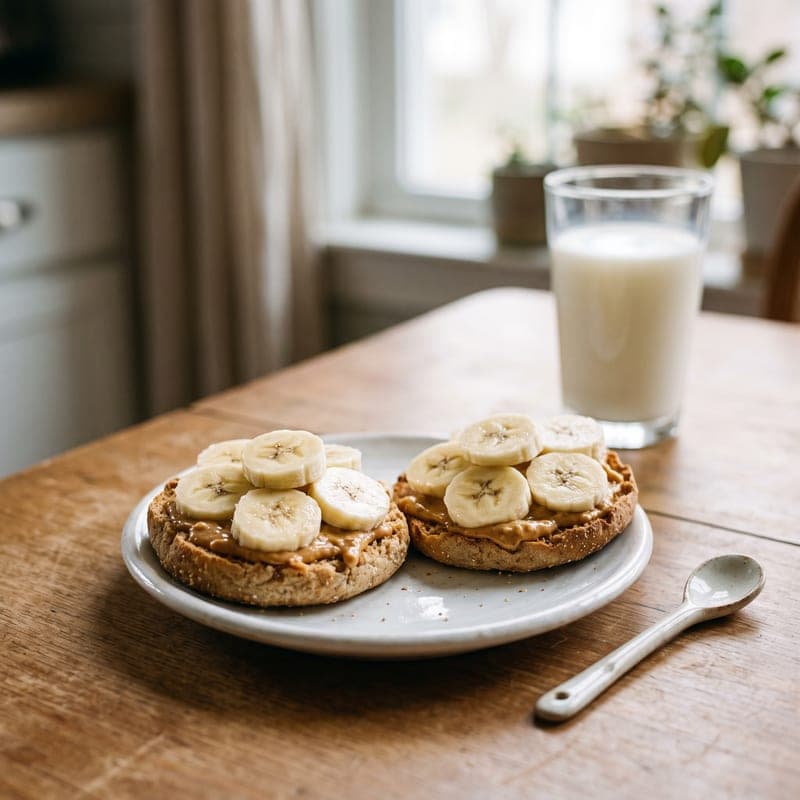
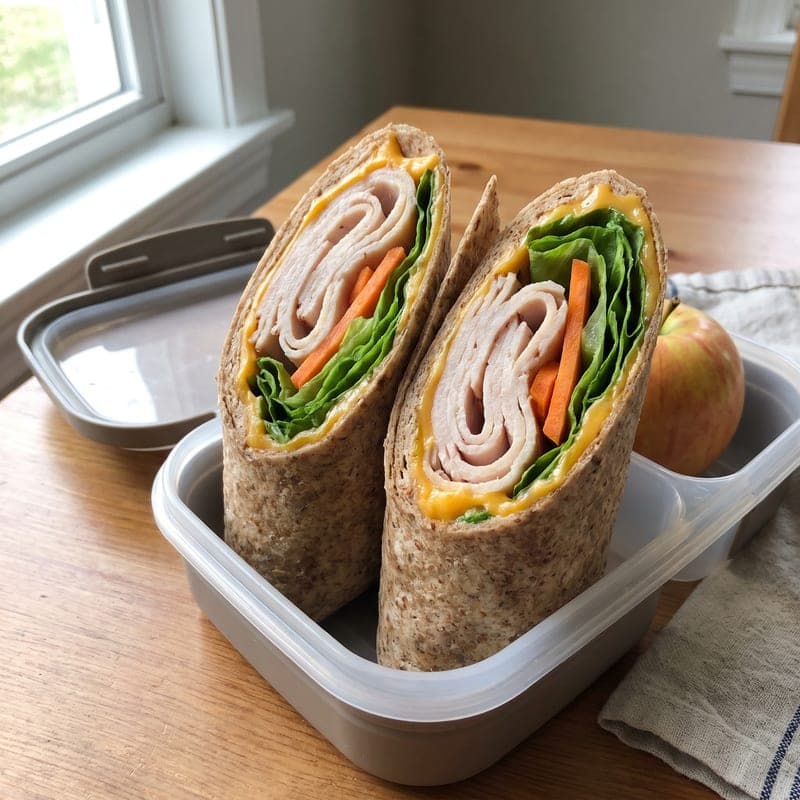
- English muffin + PB + banana: 1-2 hours out, packable
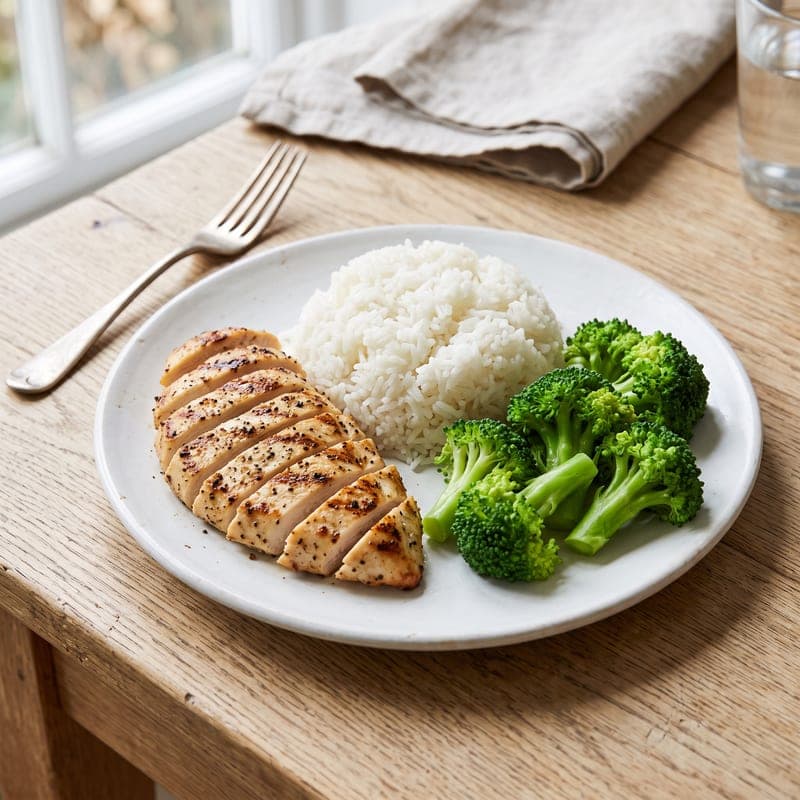
- Chicken rice broccoli: 2-3 hour pre-game meal
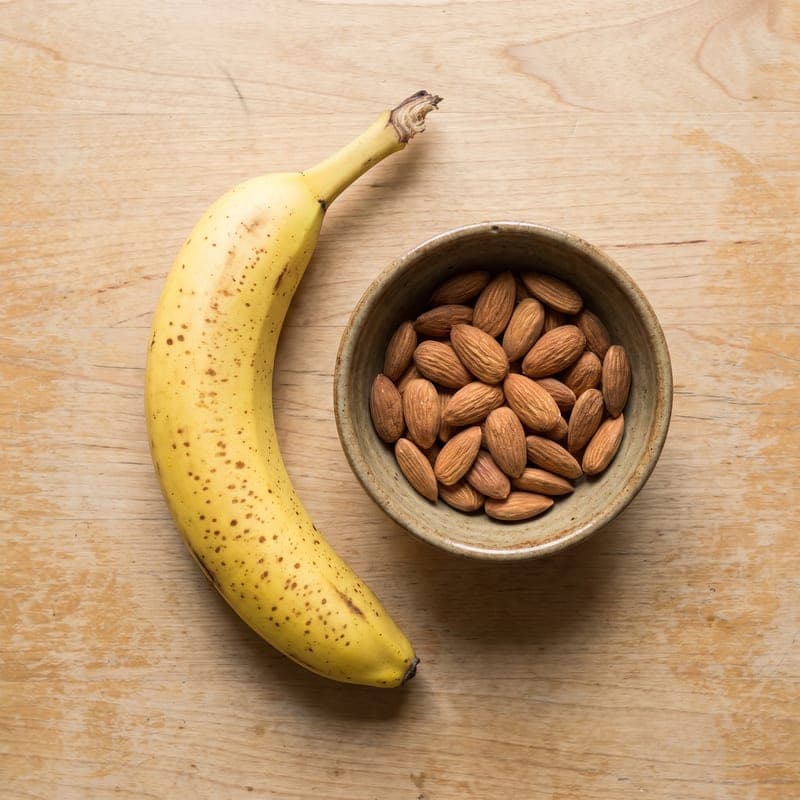
- Banana + almonds: 30-60 minute snack
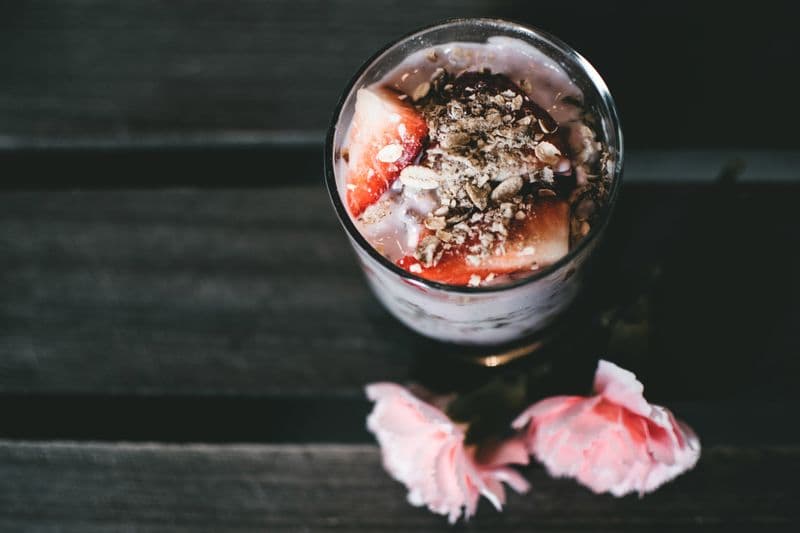
- Greek yogurt parfait, light, 60-90 min out
Recipes that fit
All recipes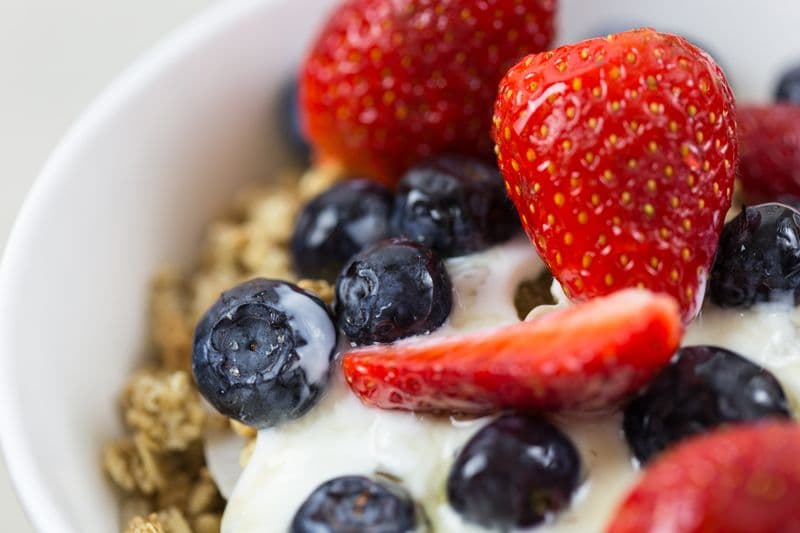
Frequently asked questions
A small fast-acting carb: a banana, a piece of toast with honey, an applesauce pouch, or a handful of dates. Skip fat, protein, and fiber in this window, they slow digestion and can cause GI distress.
Keep reading
Pre-Workout Meal Oatmeal: The Athlete's Guide to Timing, Portions, and Recipes
Oatmeal is one of the best pre-workout meals. Here's the timing window, the right portion by body weight, the type of oats to use, and athlete-tested recipes.
Read guide
Is Oatmeal a Good Pre-Workout Meal? A Sports Nutrition Breakdown
Yes, oatmeal is one of the best pre-workout meals. Here's the science (beta-glucan, complex carbs), the timing window, the right oat type, and when to skip it.
Read guide
The Best Pre-Workout Meal: 10 Athlete-Tested Options Ranked
The best pre-workout meal pairs complex carbs with lean protein in a 3:1 ratio, 1-3 hours before training. Here are the 10 best options ranked, with portions by body weight.
Read guide
AM Pre-Workout Meal: What to Eat Before a Morning Workout
What to eat before a morning workout. Timing windows from 5 minutes to 2 hours pre-training, the 30-second AM snack, fasted-training rules for adults and kids.
Read guide
Sources
- [ACSM-2016]Thomas DT, Erdman KA, Burke LM. American College of Sports Medicine Joint Position Statement: Nutrition and Athletic Performance. Medicine & Science in Sports & Exercise, 2016.
- [ISSN-Timing]Kerksick CM, Arent S, Schoenfeld BJ, et al.. International Society of Sports Nutrition Position Stand: Nutrient Timing. Journal of the International Society of Sports Nutrition, 2017.
- [ISSN-Protein]Jäger R, Kerksick CM, Campbell BI, et al.. International Society of Sports Nutrition Position Stand: Protein and Exercise. Journal of the International Society of Sports Nutrition, 2017.
- [NATA-Fluid]McDermott BP, Anderson SA, Armstrong LE, et al.. National Athletic Trainers' Association Position Statement: Fluid Replacement for the Physically Active. Journal of Athletic Training, 2017.
- [AAP-Promotion]American Academy of Pediatrics, Council on Sports Medicine and Fitness. Promotion of Healthy Weight-Control Practices in Young Athletes. Pediatrics, 2017.
- [AAP-Sports-Nutrition]American Academy of Pediatrics, Committee on Nutrition and Council on Sports Medicine and Fitness. Sports Drinks and Energy Drinks for Children and Adolescents: Are They Appropriate?. Pediatrics, 2011.
- [AAP-Bright-Futures]American Academy of Pediatrics. Bright Futures Nutrition (3rd ed.): Sports Nutrition. AAP, 2020.
- [USDA-FoodData]U.S. Department of Agriculture, Agricultural Research Service. FoodData Central. USDA, 2024.
- [Aragon-Schoenfeld]Aragon AA, Schoenfeld BJ. Nutrient Timing Revisited: Is There a Post-Exercise Anabolic Window?. Journal of the International Society of Sports Nutrition, 2013.
FuelMyAthlete provides general guidance based on published sources from the American Academy of Pediatrics (AAP), National Athletic Trainers' Association (NATA), and American College of Sports Medicine (ACSM). This is not medical advice. For personalized sports nutrition plans, especially for children, consult a registered sports dietitian or pediatrician. See our editorial methodology.