match day
What to Eat Before a Soccer Game: A Match-Day Fueling Guide
Match-day fueling for soccer players. The night before, 3-4 hours before, 30-60 minutes before. Specific meals, portions by age, hydration, and what to avoid.
Why pre-game nutrition decides the second half
A soccer match drains 60-90% of muscle glycogen by full time. The pre-game meal is the difference between a player who finishes strong and a player whose legs disappear at the 65th minute. Carbohydrate is the dominant fuel, GSSI's sports science review on football fueling by Rollo identifies pre-match carbohydrate intake as the single biggest modifiable performance variable[Rollo-GSSI].
Cognitive performance falls off too. Decision-making, vision, and reaction time degrade when glycogen runs low: the same applies whether the player is 11 or 31. Pre-game fueling protects both the legs and the brain.
The pre-game timeline
Try it
Your game day, by the clock
5:30 AMMain meal3.5 h before
Carb-forward and familiar: pasta, rice, a sandwich. Low fat, low fibre.
7:00 AMDrink 16 oz2 h before
Early enough to absorb it and still find a bathroom before warm-ups.
8:15 AMTop-up snack45 min before
A banana, a few pretzels, apple sauce. Small and fast.
8:45 AMDrink 8 oz15 min before
Last sip. Nothing new, nothing fizzy.
9:00 AMKickoff
Timings follow AAP guidance on pre-activity meals for children and NATA fluid replacement guidance. Shift anything that upsets your athlete's stomach, and never test a new food on a game day.
| When | What |
|---|---|
| Night before | Pasta with marinara + turkey, or rice with chicken and vegetables |
| Morning of (if afternoon game) | Eggs + whole-grain toast, or overnight oats with banana |
| 3-4 hours before kickoff | Main meal: pasta, rice bowl, or sandwich + fruit + water |
| 1-2 hours before | Light snack: yogurt parfait, banana with toast |
| 30-60 min before | Quick carb: banana, granola bar, applesauce pouch |
| 15 min before | 8 oz water; sip only, no food unless hungry |
The pre-game plate: 60% carbs / 20% protein / 20% fat
A pre-game soccer meal should be roughly 60% carbohydrate, 20% protein, 20% fat by calories. ACSM's joint position stand recommends 1-4 g carbohydrate per kg body weight 1-4 hours before competition, paired with 0.3 g/kg of protein[ACSM-2016]. For an 80-lb (36 kg) youth player, that's 36-144 g of carbs and ~11 g of protein. For a 160-lb (73 kg) adult, it's 73-292 g of carbs and ~22 g of protein.
The carb half is where most players under-fuel. A small sandwich and a piece of fruit is not enough for a competitive 90-minute match.
Specific meals 3-4 hours before kickoff
Five proven pre-game meals from the recipe library:
- Pasta with marinara and lean turkey: the classic, eaten across every level from U10 to MLS
- Grilled chicken with rice and broccoli, clean carbs, lean protein, easy to digest
- Hibachi chicken bowl, Sunday-cook favorite, reheats perfectly for game day
- Turkey wrap on whole-grain tortilla with a banana and water
- Chicken pasta with broccoli
Specific snacks 30-60 minutes before kickoff
The pre-warmup snack is a fast carb. Don't add protein or fat in this window. Options:
- 1 banana
- 1 granola bar (under 10 g sugar, read the label)
- 1 applesauce pouch
- Pretzels + 4 oz juice or sports drink
- 1/2 PB&J on white bread
- Rice cake with honey
What to avoid before a soccer game
- Anything new.Game day is not the day to try the team-mom's new energy bar.
- Fried foods. Sit heavy. Common cramp trigger in the second half.
- High-fiber piles. Beans, broccoli, raw cruciferous vegetables, dense multi-grain breads, fine on training days, risky pre-game.
- Dairy if sensitive. For some players (especially kids), milk and cheese within an hour of kickoff causes GI distress once running starts.
- Energy drinks. AAP specifically recommends against energy drinks for children and adolescents[AAP-Sports-Nutrition].
- Sugar bombs. Candy bars, frosted pastries, soda, spike-and-crash before the second half.
Hydration before a soccer game
NATA's 2017 fluid replacement statement gives the pre-game template:
- 2-3 hours before: 16-20 oz of water (scale by body weight for kids)
- 10-20 min before: 8-10 oz of water
- During the game: 6-8 oz every 15-20 min, especially in heat
- For games over 60 min in hot weather: sports drink with electrolytes
The biggest mistake is showing up already dehydrated. Per NATA, urine should be clear or light yellow 2 hours before the game, that's the practical check[NATA-Fluid].
Pre-game meals by age band
- U10 (8-9 years old, ~70 lb): half-portion of the main meal options. Small sandwich + fruit + 10 oz water 3 hours out.
- U12 (10-12 years old, ~85 lb): medium portion. Full sandwich or small bowl of pasta + fruit + 12-14 oz water.
- U14 (13-14, ~110 lb): larger portion. Pasta or rice bowl with protein + 14-16 oz water.
- U16-18 (15-17, ~140 lb): near-adult portion. Full meal + 16-20 oz water.
- Adult rec (160+ lb): full ACSM-aligned plate. Match-day pasta meal is the classic.
The FuelMyAthlete planner scales every portion by athlete weight and day type automatically, no math required.
Pre-game fueling for tournaments and back-to-back games
Tournament weekends multiply the fueling problem. Three games in one day means three pre-game windows. The right approach:
- Pre-tournament breakfast (90 min before game 1): oatmeal + yogurt + banana
- Between games 1 and 2: sandwich + fruit + 16 oz water
- Between games 2 and 3: rice ball or small wrap + applesauce + water
- 15-30 min before each game: banana or granola bar
- After the last game: full recovery meal within 60 minutes
For the full tournament-weekend deep dive, see our carb loading meal plan guide.
Recipes that fit
All recipes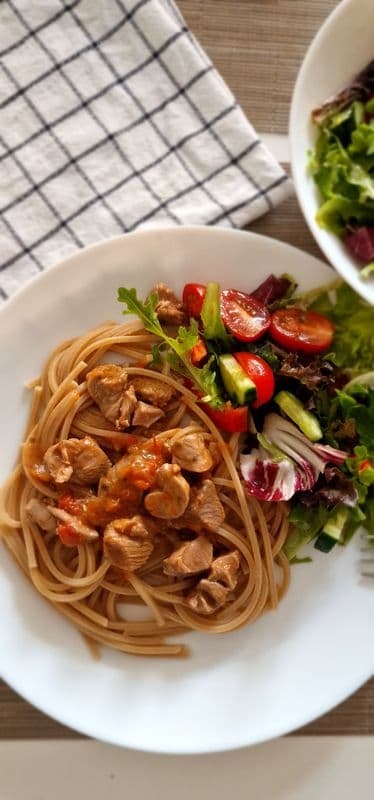
Pasta + turkey marinara + side salad
25 min · 4 servings
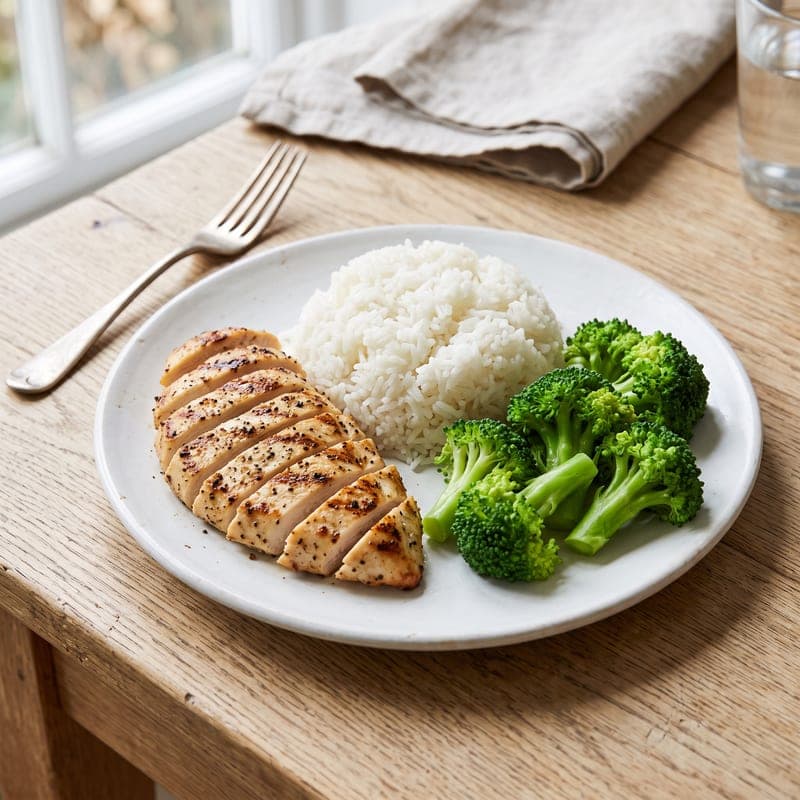
Grilled chicken + jasmine rice + broccoli
30 min · 4 servings
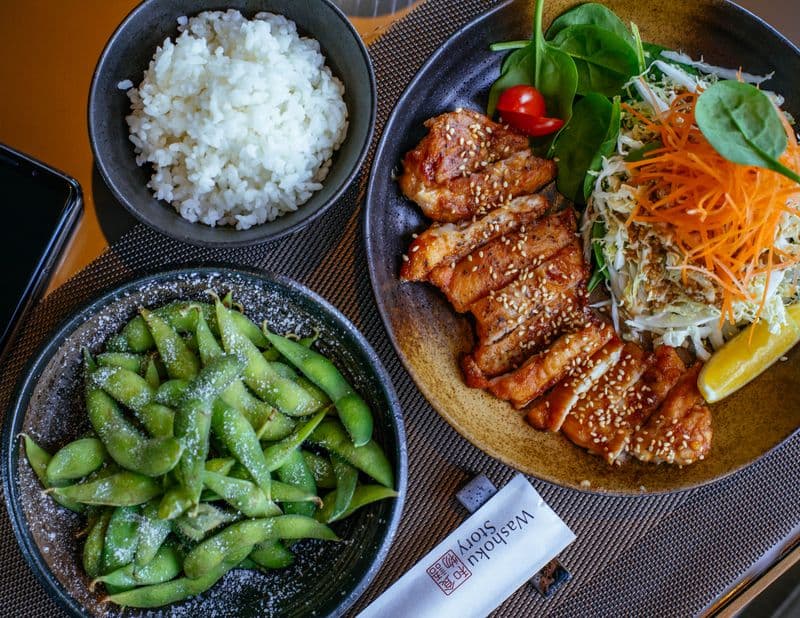
Hibachi Chicken (Sunday meal prep)
25 min · 8 servings
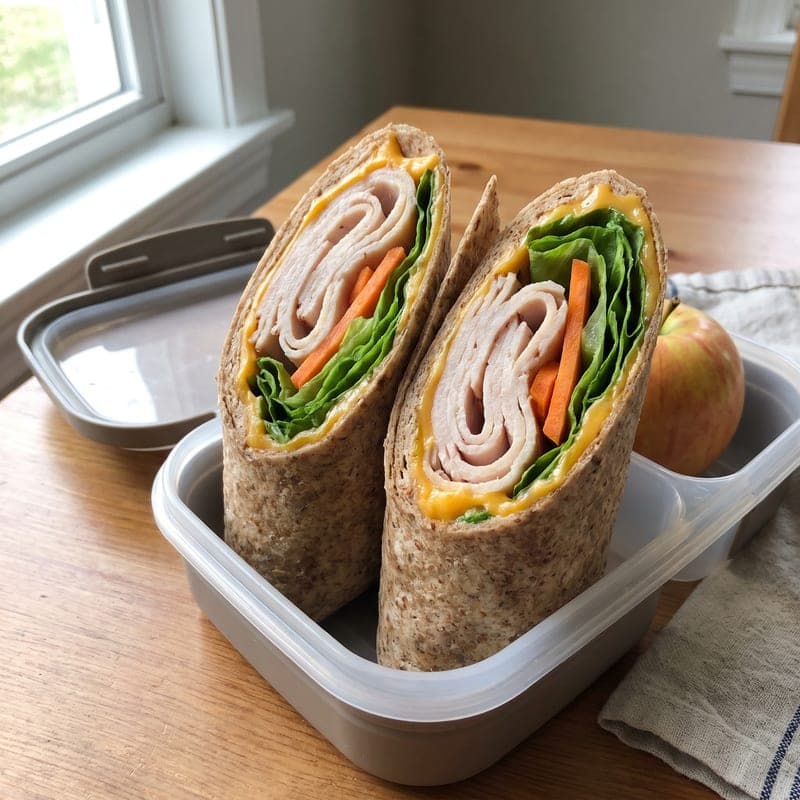
Turkey + cheese whole-grain wrap
5 min · 1 serving
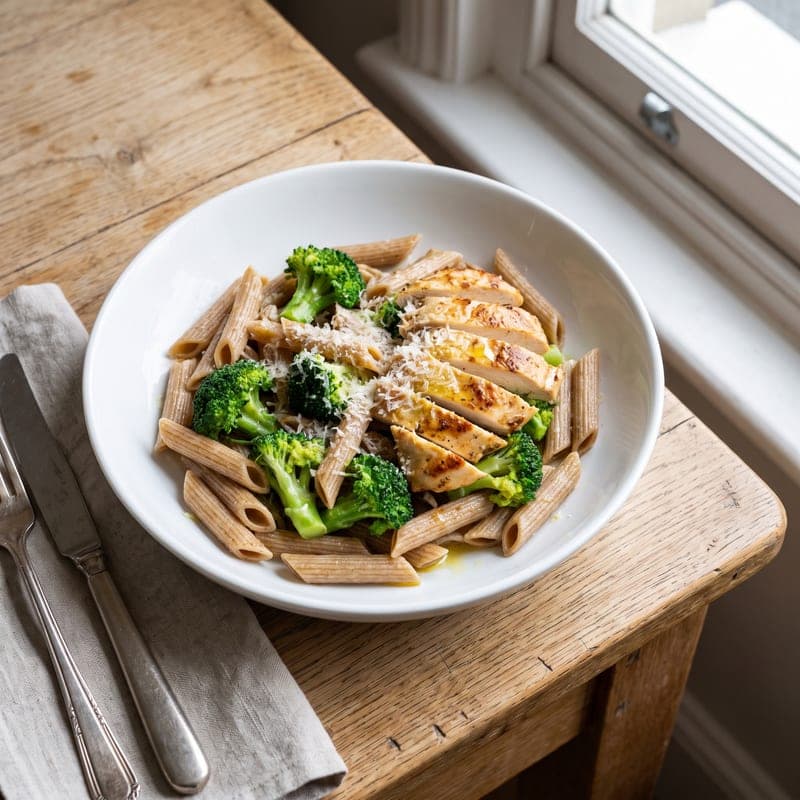
Pasta + grilled chicken + broccoli
20 min · 4 servings
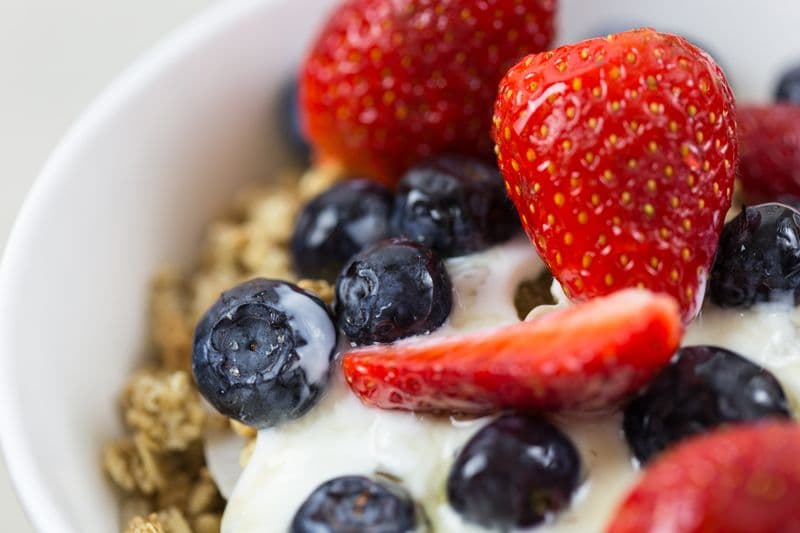
Athlete overnight oats
5 min · 1 serving
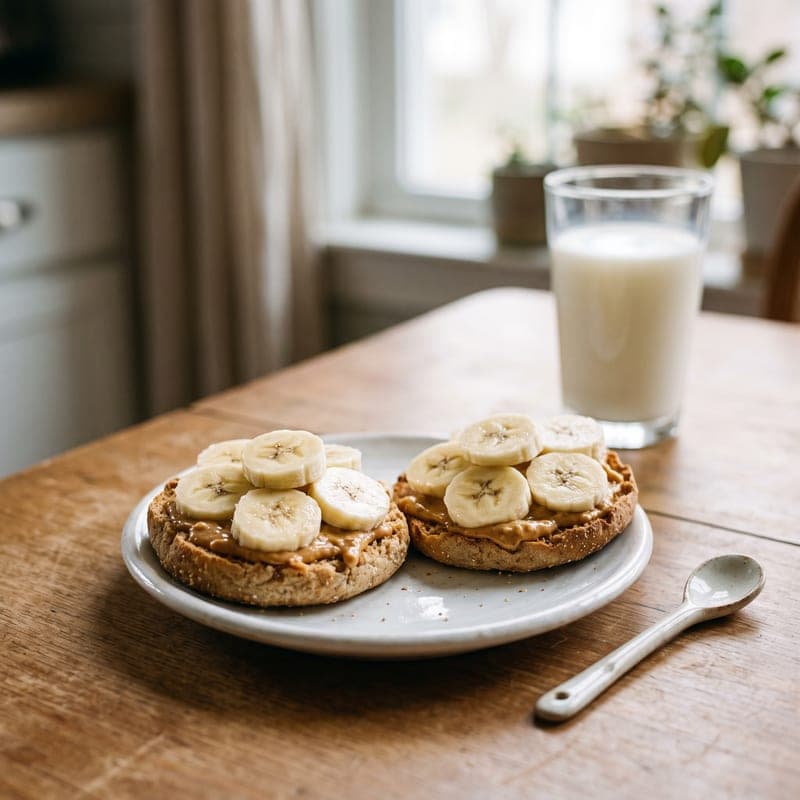
English muffin + peanut butter + banana
4 min · 1 serving
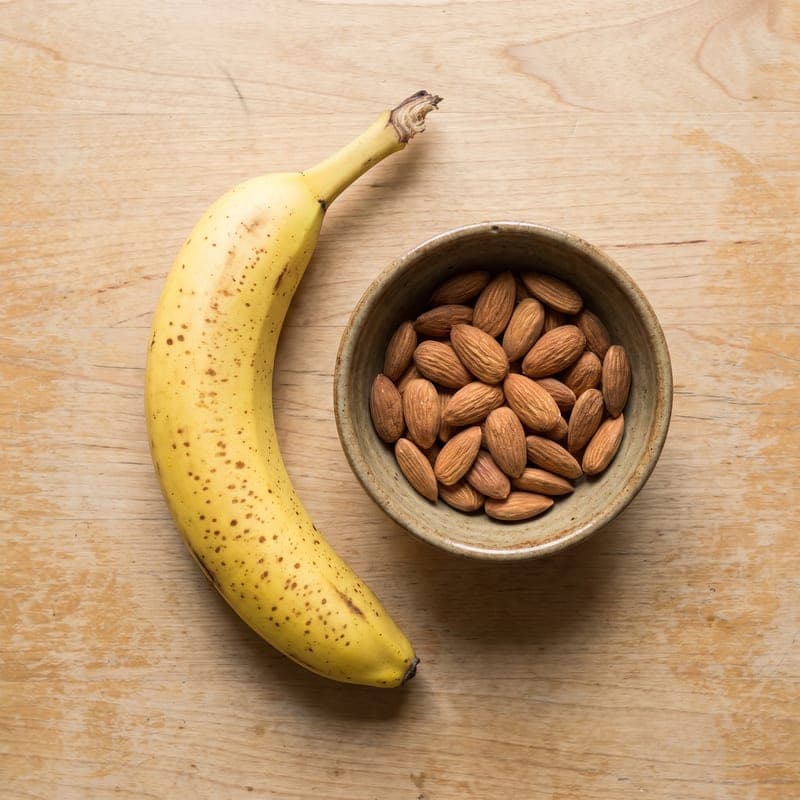
Banana + handful of almonds
1 min · 1 serving
Frequently asked questions
A balanced carb-forward meal: pasta with chicken, rice with vegetables, or a turkey sandwich with fruit. Aim for 60-80 g of carbs and 15-25 g of lean protein, with minimal fat and fiber. Drink 12-16 oz of water with the meal.
Keep reading
Pre-Game Meal for Kids: The Complete Parent's Guide
What kids should eat before a soccer game, basketball game, or any youth sports match. Timing, portions by age, the 30-minute snack, hydration, and what to avoid.
Read guide
Carb Loading Meal Plan: The Athlete's Guide to Pre-Event Fueling
Carb loading meal plans for endurance events and youth soccer tournaments. The 3-day adult protocol, the 1-day modified plan, full meal grids, and what NOT to do.
Read guide
What Is a Good Pre-Workout Meal? Timing, Foods, and Portions by Body Weight
A good pre-workout meal pairs complex carbs and lean protein 1-3 hours before training. Here's the timing matrix, the food list, portions by body weight, and recipes.
Read guide
AM Pre-Workout Meal: What to Eat Before a Morning Workout
What to eat before a morning workout. Timing windows from 5 minutes to 2 hours pre-training, the 30-second AM snack, fasted-training rules for adults and kids.
Read guide
Sources
- [ACSM-2016]Thomas DT, Erdman KA, Burke LM. American College of Sports Medicine Joint Position Statement: Nutrition and Athletic Performance. Medicine & Science in Sports & Exercise, 2016.
- [Rollo-GSSI]Rollo I. Carbohydrate: The Football Fuel. Gatorade Sports Science Institute Sports Science Exchange, 2014.
- [NATA-Fluid]McDermott BP, Anderson SA, Armstrong LE, et al.. National Athletic Trainers' Association Position Statement: Fluid Replacement for the Physically Active. Journal of Athletic Training, 2017.
- [AAP-Bright-Futures]American Academy of Pediatrics. Bright Futures Nutrition (3rd ed.): Sports Nutrition. AAP, 2020.
- [AAP-Sports-Nutrition]American Academy of Pediatrics, Committee on Nutrition and Council on Sports Medicine and Fitness. Sports Drinks and Energy Drinks for Children and Adolescents: Are They Appropriate?. Pediatrics, 2011.
- [ISSN-Timing]Kerksick CM, Arent S, Schoenfeld BJ, et al.. International Society of Sports Nutrition Position Stand: Nutrient Timing. Journal of the International Society of Sports Nutrition, 2017.
- [Burke-Carb]Burke LM, Hawley JA, Wong SHS, Jeukendrup AE. Carbohydrates for Training and Competition. Journal of Sports Sciences, 2011.
FuelMyAthlete provides general guidance based on published sources from the American Academy of Pediatrics (AAP), National Athletic Trainers' Association (NATA), and American College of Sports Medicine (ACSM). This is not medical advice. For personalized sports nutrition plans, especially for children, consult a registered sports dietitian or pediatrician. See our editorial methodology.