
hydration
How Much Water Should a Young Athlete Drink?
The daily ounces for a youth athlete, by day type: 64 oz baseline, plus 16 oz for practice, plus 24 oz for a match, plus 10% in heat, capped at 100 oz. Cited to AAP and NATA.
How much water should a young athlete drink per day?
Start at 64 oz per day for a child aged 8 to 12, which is the eight cups most pediatric guidance lands on for an active school-age kid[AAP-Bright-Futures]. That is the ordinary day: school, homework, playing outside, no training session.
Then add for what the day actually asks of the body. A training session adds about 16 oz. A match adds about 24 oz, because matches run longer, run hotter, and start with a warm-up[NATA-Fluid].
Most parents are surprised by how much of that is not about the game at all. The majority of the number is baseline living. A kid who arrives at practice already behind cannot drink their way back during it.
Daily targets by day type
Try it
Work out your athlete's day
80oz
about 10 cups over the day
64 baseline + 16 for the session
Same formula the planner uses: AAP + NATA pediatric. Guidance, not a target to force. Thirst and pale straw urine are better signals than any number on a screen.
| Day | Age 8 to 12 | In heat |
|---|---|---|
| Rest or school day | 64 oz (8 cups) | 70 oz |
| Training day | 80 oz (10 cups) | 88 oz |
| Match day | 88 oz (11 cups) | 97 oz |
| Absolute daily ceiling | 100 oz | 100 oz |
Teenagers scale up with body size, roughly 0.55 oz per pound as a floor of 64 oz, with a 150 oz ceiling. Adults use about 0.6 oz per pound[ACSM-2016]. The planner does this arithmetic per day and shows the working.
How much extra in the heat?
Add about 10%, not 25%. Heat guidance written for adult endurance athletes gets copied onto children constantly, and the additions compound: a bigger baseline, plus a bigger exercise addition, plus a bigger heat multiplier, and suddenly an 11-year-old is being told to drink well past any sensible ceiling.
Children also thermoregulate differently from adults. They produce more heat per kilogram of body mass, sweat less efficiently, and acclimatize to heat more slowly[NATA-Fluid]. The answer to a hot Florida August is not only more fluid. It is earlier practice times, shade, breaks, and lighter kit.
Can a kid drink too much water?
100oz
Hard daily ceiling for ages 8 to 12
Yes, and this is the part almost nobody tells parents. Drinking far past thirst dilutes the sodium in the blood, a condition called exercise-associated hyponatremia. It is rare, it is serious, and children are more vulnerable to it than adults because they have a smaller blood volume for the same absolute amount of fluid[NATA-Fluid].
That is the reason for the 100 oz ceiling. Practically, it almost never comes up through normal drinking. It comes up when a well-meaning adult sets a number and a child dutifully hits it whether thirsty or not. If your kid is drinking to a target rather than to thirst on a cool rest day, the target is wrong.
Two signals that matter more than the number: pale straw urine several times a day, and a child who is not asking for water because they already had some.
Signs a young athlete is behind on fluid
- Dark yellow urine, or not needing the bathroom across a whole school day
- Fading in the second half specifically, rather than being tired from the start
- Headache after practice that resolves with a drink and a snack
- Cramping late in a match, especially in a kid who sweats visibly salty
- Irritability and poor focus, which shows up before thirst does in children
Thirst is a late signal in kids. By the time an 11-year-old says they are thirsty, they have usually been behind for a while, which is why the drinking starts two hours before kickoff and not five minutes before.
Getting a kid to actually drink it
The number is the easy part. Eight to eleven cups is a lot of trips to a bottle for someone who would rather be playing.
- Front-load the morning. Two cups before leaving the house is a third of a rest day.
- Send a bottle they like and can open one-handed. The bottle matters more than any advice on this page.
- Water-heavy food counts. Watermelon, grapes, oranges, and milk all contribute to the day's total.
- Cold beats room temperature for how much a child voluntarily drinks, especially in heat.
- Sports drinks are for sessions over an hour in real heat, not for a Tuesday practice[AAP-Sports-Nutrition]. Energy drinks are never appropriate for children.
Recipes that fit
All recipes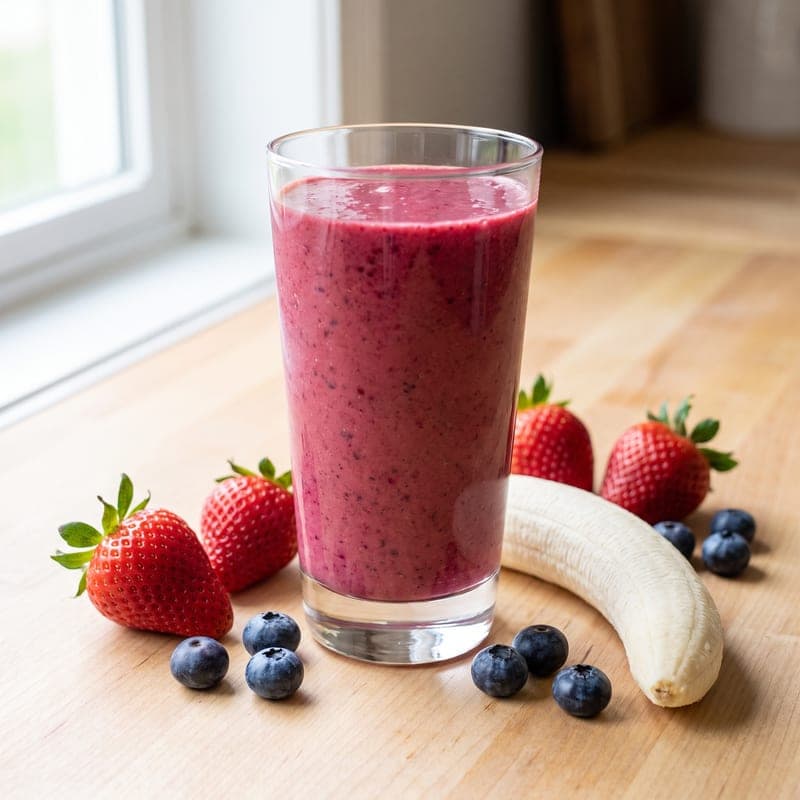
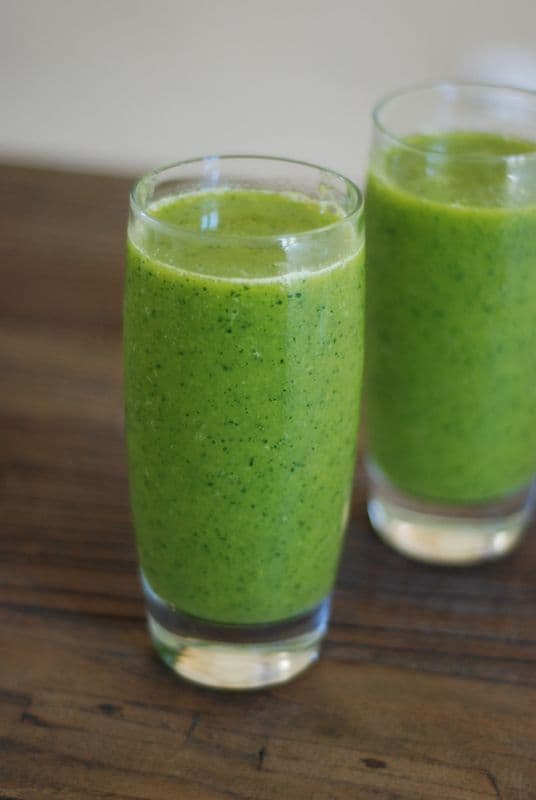

Frequently asked questions
About 64 oz on a rest or school day, 80 oz on a training day, and 88 oz on a match day. Add roughly 10% in hot weather, and never exceed 100 oz in a day.
Keep reading
Pre-Game Meal for Kids: The Complete Parent's Guide
What kids should eat before a soccer game, basketball game, or any youth sports match. Timing, portions by age, the 30-minute snack, hydration, and what to avoid.
Read guide
What to Eat Before a Soccer Game: A Match-Day Fueling Guide
Match-day fueling for soccer players. The night before, 3-4 hours before, 30-60 minutes before. Specific meals, portions by age, hydration, and what to avoid.
Read guide
Sources
- [AAP-Bright-Futures]American Academy of Pediatrics. Bright Futures Nutrition (3rd ed.): Sports Nutrition. AAP, 2020.
- [NATA-Fluid]McDermott BP, Anderson SA, Armstrong LE, et al.. National Athletic Trainers' Association Position Statement: Fluid Replacement for the Physically Active. Journal of Athletic Training, 2017.
- [AAP-Sports-Nutrition]American Academy of Pediatrics, Committee on Nutrition and Council on Sports Medicine and Fitness. Sports Drinks and Energy Drinks for Children and Adolescents: Are They Appropriate?. Pediatrics, 2011.
- [AAP-Promotion]American Academy of Pediatrics, Council on Sports Medicine and Fitness. Promotion of Healthy Weight-Control Practices in Young Athletes. Pediatrics, 2017.
- [ACSM-2016]Thomas DT, Erdman KA, Burke LM. American College of Sports Medicine Joint Position Statement: Nutrition and Athletic Performance. Medicine & Science in Sports & Exercise, 2016.
FuelMyAthlete provides general guidance based on published sources from the American Academy of Pediatrics (AAP), National Athletic Trainers' Association (NATA), and American College of Sports Medicine (ACSM). This is not medical advice. For personalized sports nutrition plans, especially for children, consult a registered sports dietitian or pediatrician. See our editorial methodology.