post workout
What to Eat After a Soccer Game: A Recovery Guide for Kids
What a young athlete should eat after a game, from the first 30 minutes on the sideline to dinner. Includes the 9pm game problem and back to back tournament days.
Why the meal after the game matters
Pre-game food gets all the attention and post-game food does more of the work, especially in youth sport where the same kid plays again tomorrow. A match empties muscle glycogen, and the body refills it fastest in the hours immediately after[ISSN-Timing].
For a single Saturday game with nothing until next week, this matters much less than the internet suggests. Normal eating over the rest of the day covers it. It starts mattering when there is another game inside 24 hours, which in youth soccer means tournament weekends, and those are exactly the weekends parents feel it going wrong.
The recovery timeline
| When | What | Why |
|---|---|---|
| Final whistle to 30 min | Fluid first, then carbs with some protein. Chocolate milk is the classic. | Easiest window to hit, and drinkable food beats a plate nobody eats in a car park. |
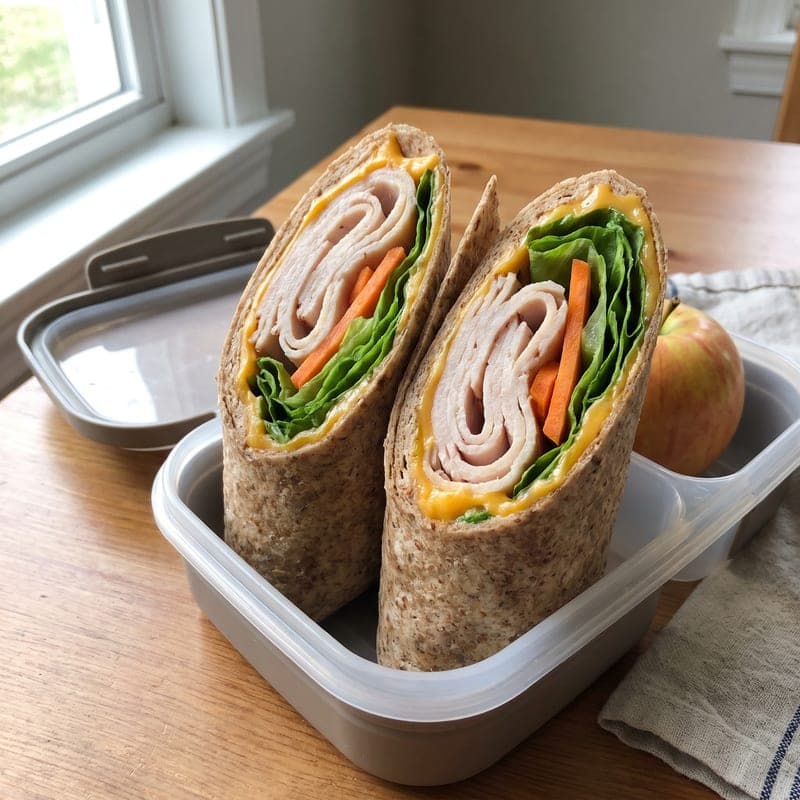
| 30 to 60 min | A real snack: a turkey sandwich, yogurt and fruit, or apple slices with cheese. | Bridges the gap when the drive home is long. |
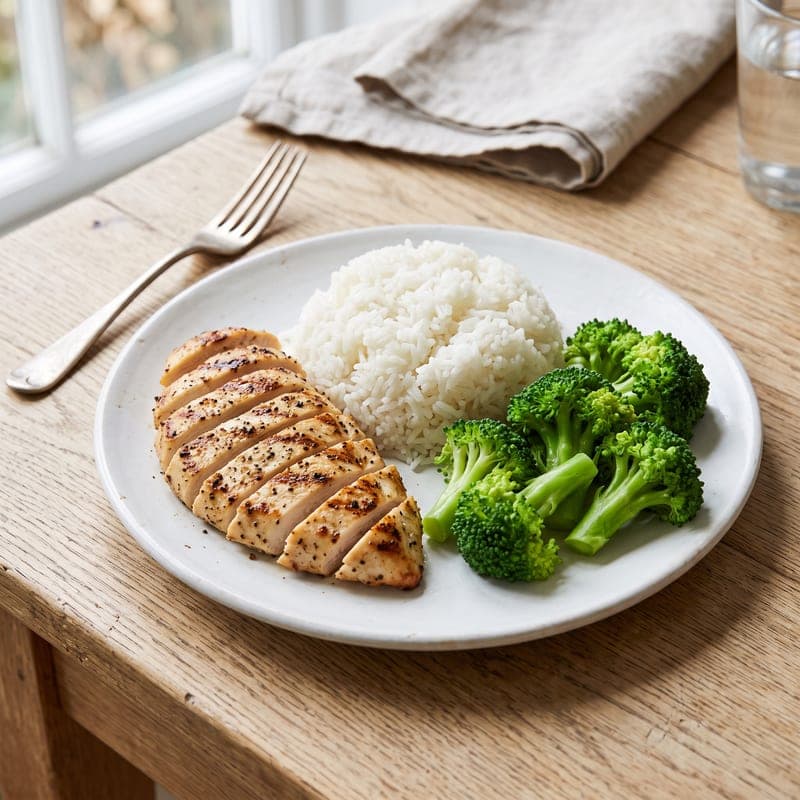
| Within 2 hours | A normal balanced meal: rice or pasta, a protein, vegetables, water. | This is the meal that actually does the refuelling. |
| Before bed | Milk, yogurt, or cottage cheese if dinner was early or light. | Overnight repair, and it settles a kid who is hungry at 9pm. |
The planner treats match days differently from training days, so the portions on a game day already account for this.
Is chocolate milk really the best recovery drink?
For a youth athlete it is hard to beat, and the reason is boring: it has carbohydrate and protein in roughly the ratio recovery calls for, it replaces fluid, it is cold, and children actually finish it[ISSN-Timing]. A recovery product a kid refuses has a nutritional value of zero.
No supplement is needed here, and none is appropriate for a child. Whole food and milk cover it.
The 9pm game problem
Late kickoffs are the hardest case in youth sport. The kid gets home wired, hungry, and too tired to eat a full dinner, and a heavy meal at 10pm ruins sleep, which matters more for an 11-year-old than any recovery macro.
What works, in order of how well it holds up:
- Eat the real dinner before the game, earlier than feels natural, and treat the post-game food as a top-up.
- Have something ready in the car so the window is not spent driving.
- Keep the late food small and familiar: milk, a sandwich, yogurt, fruit.
- Protect sleep over the perfect plate. Sleep is the recovery intervention with the strongest evidence in young athletes.
Back to back games and tournament days
This is where recovery eating earns its place. Two games in a day, or a Saturday and Sunday fixture, means the window between them is the whole strategy.
- Under 2 hours between games: fluid, fruit, and something light and carbohydrate based. Nothing heavy, nothing fatty, nothing new.
- 2 to 4 hours: a proper sandwich or a rice bowl, eaten early in the gap rather than late.
- Overnight between days: a normal dinner, a normal breakfast, and attention to fluid across the whole day rather than a single big drink.
Heat changes the arithmetic. On a hot tournament day, sodium lost in sweat needs replacing alongside fluid, which is a reason to salt food a little and to pack watermelon and other water-heavy fruit[NATA-Fluid]. See the hydration guide for the daily numbers, including the 100 oz ceiling.
When a kid will not eat after a game
Common, and usually not a problem. Hard exercise blunts appetite for a while, and forcing food on a child who is not hungry teaches something worse than a missed recovery window.
- Lead with fluid. A drink often unlocks the appetite twenty minutes later.
- Offer cold over hot. Smoothies, milk, and fruit go down when a hot plate will not.
- Offer small. Half a sandwich accepted beats a full plate refused.
- If a child is regularly not eating after games and is also tired, moody, or not growing as expected, that is a conversation with a pediatrician, not a nutrition tweak[AAP-Promotion].
Recipes that fit
All recipes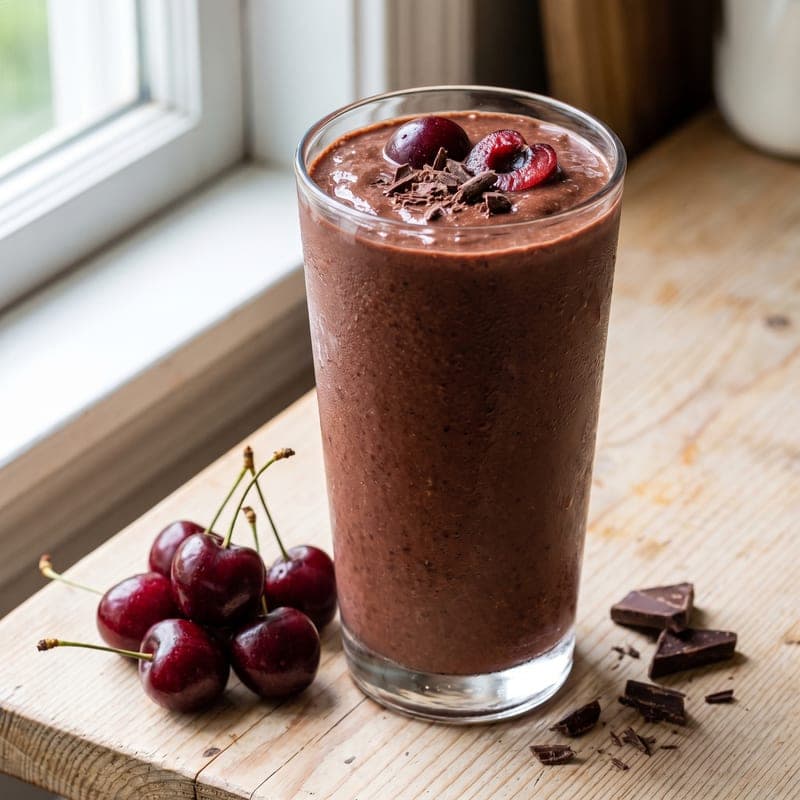
Frequently asked questions
Something with carbohydrate and protein within about 30 to 60 minutes, plus fluid. Chocolate milk, a turkey sandwich, or yogurt with fruit all work. Then a normal meal within two hours.
Keep reading
How Much Water Should a Young Athlete Drink?
The daily ounces for a youth athlete, by day type: 64 oz baseline, plus 16 oz for practice, plus 24 oz for a match, plus 10% in heat, capped at 100 oz. Cited to AAP and NATA.
Read guide
Pre-Game Meal for Kids: The Complete Parent's Guide
What kids should eat before a soccer game, basketball game, or any youth sports match. Timing, portions by age, the 30-minute snack, hydration, and what to avoid.
Read guide
What to Eat Before a Soccer Game: A Match-Day Fueling Guide
Match-day fueling for soccer players. The night before, 3-4 hours before, 30-60 minutes before. Specific meals, portions by age, hydration, and what to avoid.
Read guide
Sources
- [ISSN-Timing]Kerksick CM, Arent S, Schoenfeld BJ, et al.. International Society of Sports Nutrition Position Stand: Nutrient Timing. Journal of the International Society of Sports Nutrition, 2017.
- [NATA-Fluid]McDermott BP, Anderson SA, Armstrong LE, et al.. National Athletic Trainers' Association Position Statement: Fluid Replacement for the Physically Active. Journal of Athletic Training, 2017.
- [AAP-Bright-Futures]American Academy of Pediatrics. Bright Futures Nutrition (3rd ed.): Sports Nutrition. AAP, 2020.
- [AAP-Promotion]American Academy of Pediatrics, Council on Sports Medicine and Fitness. Promotion of Healthy Weight-Control Practices in Young Athletes. Pediatrics, 2017.
- [ACSM-2016]Thomas DT, Erdman KA, Burke LM. American College of Sports Medicine Joint Position Statement: Nutrition and Athletic Performance. Medicine & Science in Sports & Exercise, 2016.
FuelMyAthlete provides general guidance based on published sources from the American Academy of Pediatrics (AAP), National Athletic Trainers' Association (NATA), and American College of Sports Medicine (ACSM). This is not medical advice. For personalized sports nutrition plans, especially for children, consult a registered sports dietitian or pediatrician. See our editorial methodology.