match day
What to Pack for a Soccer Tournament: The Cooler List
A cooler and bag list for a youth soccer tournament weekend: what to pack, what survives the heat, what to eat between games, and what to skip.
The cooler list
Pack for the gap between games, not for a picnic. Everything below is chosen because it survives a Florida car park and gets eaten by a tired eleven-year-old.
- Water, more than one bottle per player. Frozen halfway the night before, so it thaws cold.
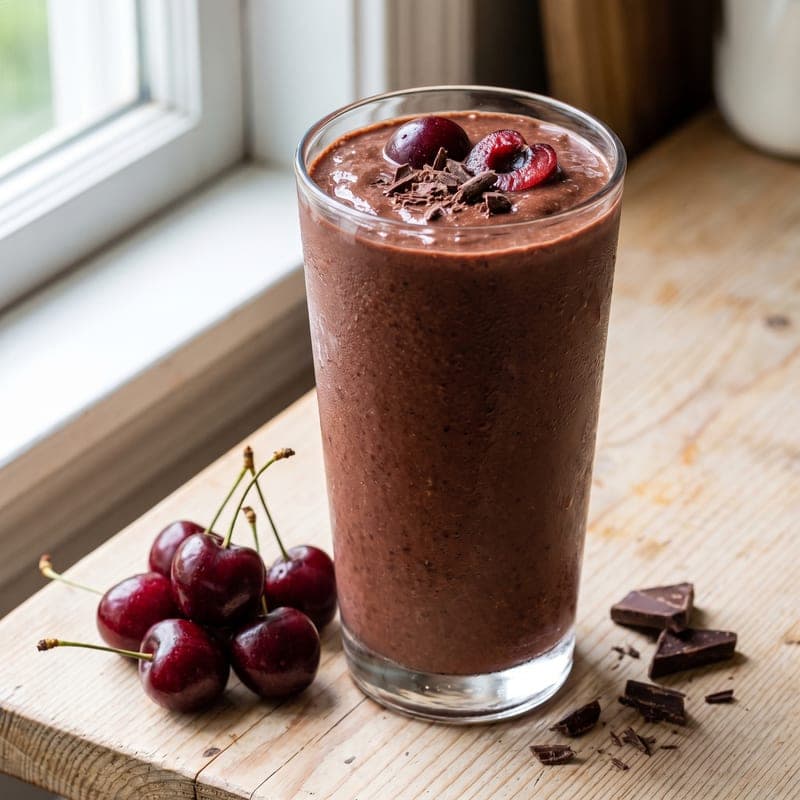
- Milk or chocolate milk on ice, for after the last game of the day.
- Watermelon and grapes. Both are mostly water, and grapes frozen in a bag double as the ice pack.
- Sandwiches or wraps, wrapped tight. Turkey and cheese travels better than anything with mayonnaise or tomato.
- Yogurt tubes, frozen. They chill the cooler on the way and are edible by mid-morning.
- Something salty for a hot day: pretzels, salted watermelon, pickles.
- A shelf-stable bag that lives in the kit bag, not the cooler: trail mix, dried fruit, a couple of bars.
Nothing on this list should be new. A tournament is the worst possible day to discover that your kid does not like something.
What to eat between two games
| Gap | What works | Avoid |
|---|---|---|
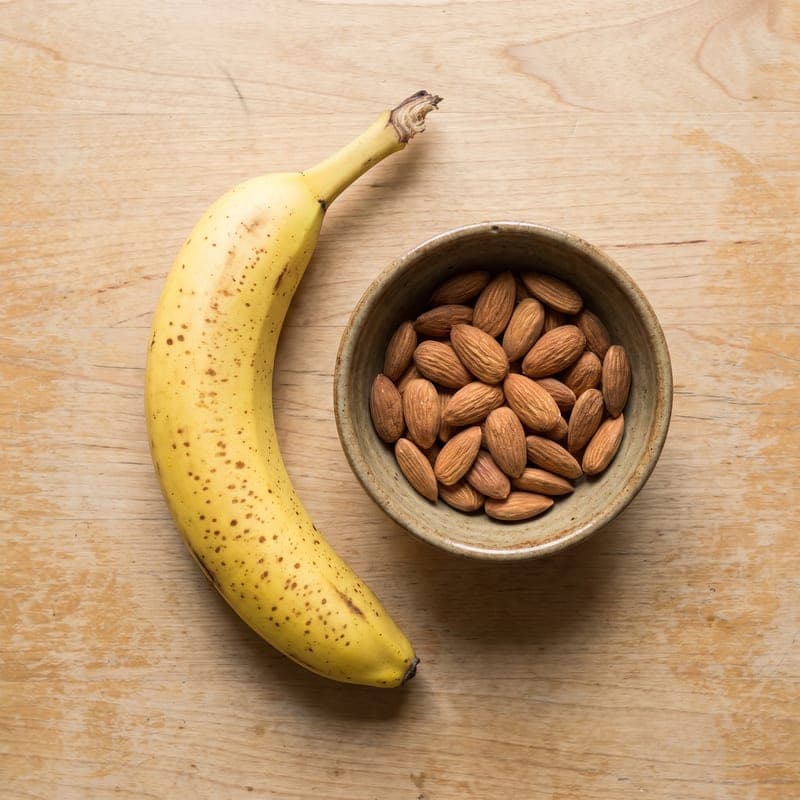
| Under 1 hour | Fluid, a banana, a few pretzels. Small and fast. | Anything heavy, fatty, or high fibre. |
| 1 to 2 hours | Half a sandwich, fruit, yogurt tube, water. | A full meal that sits in the stomach at kickoff. |
| 2 to 4 hours | A proper sandwich or rice bowl, eaten early in the gap. | Leaving it until forty minutes before the whistle. |
| Overnight | Normal dinner, normal breakfast, fluid across the whole evening. | A huge late dinner that wrecks sleep before day two. |
More detail in the post-game recovery guide.
Heat: fluid, salt, and shade
A hot tournament is a different event from a cool one. Sweat carries sodium as well as water, and replacing only water across a long hot day is how kids end up cramping late in the second game[NATA-Fluid].
Practical version: salt the food a little, pack fruit with water in it, and let a sports drink do its actual job on days with sustained play in real heat rather than treating it as a default beverage[AAP-Sports-Nutrition]. Shade and a chair matter as much as any of it. Standing in the sun between games costs more than most parents expect.
Daily fluid targets, including the ceiling that applies even on a tournament day, are in the hydration guide.
The concession stand and the hotel breakfast
Two situations every tournament family meets, and neither needs to be a disaster.
The concession stand. If it is happening, aim for the least fried thing and pair it with water rather than soda. One hot dog between games is not the problem. A day of nothing but candy and blue drinks is.
The hotel breakfast. Eggs if they exist, cereal and milk, a banana, toast or a bagel. Skip the waffle machine on a morning with a 9am kickoff, not because waffles are evil but because a pile of syrup an hour before a game is a gamble on a stomach you need working.
The non-food half of the bag
- Two pairs of socks, minimum. Wet socks ruin day two.
- A folding chair and shade. Standing in the sun between games is a real cost.
- Sunscreen, applied before the first game and again after the second.
- A towel, and a plastic bag for the kit that comes off wet.
- Phone charger. The schedule lives on someone's phone and tournaments run long.
- Cash. Field-side concessions are often cash only.
Recipes that fit
All recipes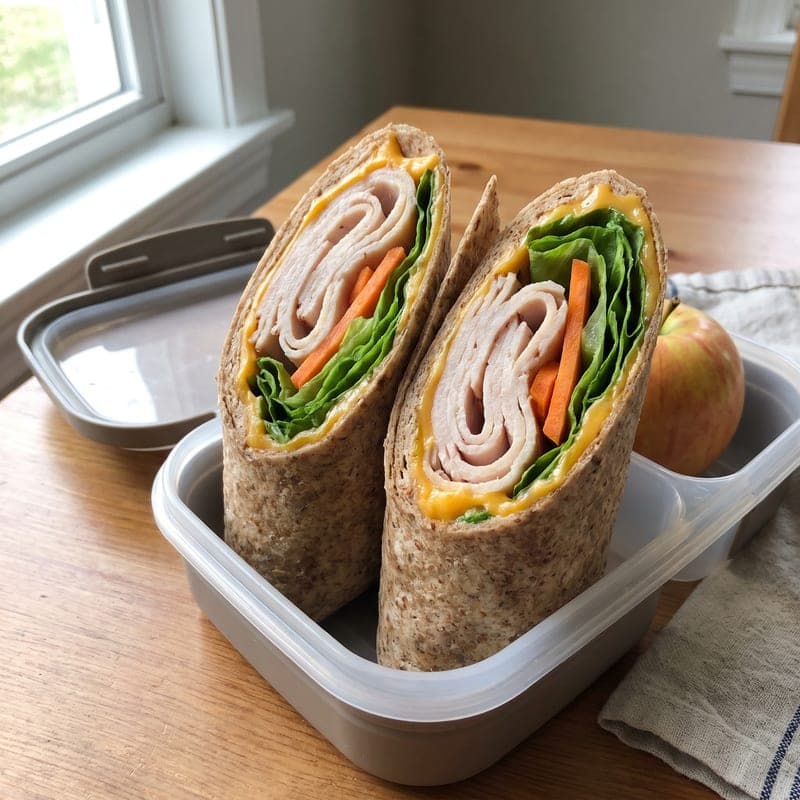
Frequently asked questions
Water and milk, fruit with high water content such as watermelon and grapes, sandwiches or wraps, frozen yogurt tubes, something salty for the heat, and a shelf-stable bag of trail mix that lives outside the cooler.
Keep reading
What to Eat After a Soccer Game: A Recovery Guide for Kids
What a young athlete should eat after a game, from the first 30 minutes on the sideline to dinner. Includes the 9pm game problem and back to back tournament days.
Read guide
How Much Water Should a Young Athlete Drink?
The daily ounces for a youth athlete, by day type: 64 oz baseline, plus 16 oz for practice, plus 24 oz for a match, plus 10% in heat, capped at 100 oz. Cited to AAP and NATA.
Read guide
What to Eat Before a Soccer Game: A Match-Day Fueling Guide
Match-day fueling for soccer players. The night before, 3-4 hours before, 30-60 minutes before. Specific meals, portions by age, hydration, and what to avoid.
Read guide
Sources
- [NATA-Fluid]McDermott BP, Anderson SA, Armstrong LE, et al.. National Athletic Trainers' Association Position Statement: Fluid Replacement for the Physically Active. Journal of Athletic Training, 2017.
- [AAP-Sports-Nutrition]American Academy of Pediatrics, Committee on Nutrition and Council on Sports Medicine and Fitness. Sports Drinks and Energy Drinks for Children and Adolescents: Are They Appropriate?. Pediatrics, 2011.
- [AAP-Bright-Futures]American Academy of Pediatrics. Bright Futures Nutrition (3rd ed.): Sports Nutrition. AAP, 2020.
- [ACSM-2016]Thomas DT, Erdman KA, Burke LM. American College of Sports Medicine Joint Position Statement: Nutrition and Athletic Performance. Medicine & Science in Sports & Exercise, 2016.
FuelMyAthlete provides general guidance based on published sources from the American Academy of Pediatrics (AAP), National Athletic Trainers' Association (NATA), and American College of Sports Medicine (ACSM). This is not medical advice. For personalized sports nutrition plans, especially for children, consult a registered sports dietitian or pediatrician. See our editorial methodology.